Articulated Truck Systems: Comprehensive Overview and Applications
Definition and Scope
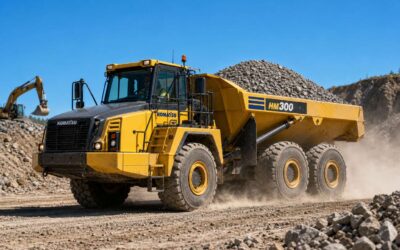
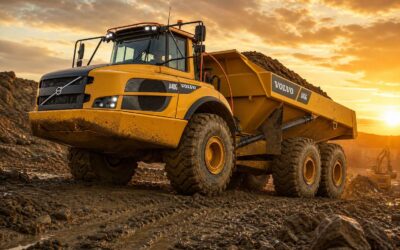
Across South Africa’s roads, the question that keeps fleet operators up at night is: what are articulated trucks? In short, they pair a tractor with a trailer joined by a pivot, delivering remarkable maneuverability and payload flexibility. Industry data shows up to 20% more efficient turning and load stability in the right conditions, a statistic that hints at the difference these systems can make. The configuration isn’t just larger—it’s smarter, a movable hinge that reshapes how goods travel from port to warehouse.
Beyond the mechanical intrigue, the applications span long-haul distribution, heavy-materials transport, and regional delivery networks. For South African fleets, articulated truck systems offer resilience in wind-swept corridors and congested urban cores.
- Enhanced turning radius for tight urban streets
- Payload versatility for mixed cargo
- Stability and braking improvements for safety
Design and Engineering Principles
South Africa’s freight corridors hum with a quiet hinge—where efficiency meets endurance. Up to 20% more efficient turning can become daily gains on routes from Durban to Joburg, turning congestion into choreography!
To answer what are articulated trucks, think of them as a tractor and trailer connected by a masterful hinge. The real magic is how the linkage distributes load and sways with intent, not by accident.
Design and engineering principles that unlock that magic include these essentials:
- Precision articulation control
- Adaptive suspension and weight transfer
- Modular, multi-axle platforms
In South Africa, these systems support long-haul distribution, heavy-materials transport, and regional delivery networks. They turn wind-swept corridors and crowded ports into readable paths.
Performance, Maintenance, and Efficiency
South Africa’s freight corridors pulse with a hinge-driven discipline—sound, steady, economical. Articulated truck systems knit a tractor and trailer with a purpose-built linkage, turning heavy loads into predictable performances. The choreography reduces wind resistance, manages weight transfer with precision, and keeps routes from Durban to Joburg moving with rhythm!
For those asking what are articulated trucks, the answer lies in how the master hinge redistributes load across multiple axles, maintaining stability and steering control even on winding climbs.
- Performance benchmarks on long-haul routes
- Maintenance regimes that curb downtime
- Efficiency levers through adaptive suspension
In the SA context, service networks and modular platforms ensure downtime is minimized and parts availability is high. The result is fleet-wide reliability that translates into tighter schedules and better on-time performance.
Regulations, Safety Standards, and Best Practices
The hinge on a modern fleet is more than metal; it’s a conductor of efficiency. In South Africa’s freight corridors, drag reduction up to 15% on long climbs is real—thanks to articulated truck systems that knit tractor and trailer into a cohesive whole. For those asking what are articulated trucks, the answer lies in a master hinge redistributing load across axles and stabilizing steering on winding climbs. This is regulatory-graded performance: compliance with SA road transport regulations, safety standards, and best practices that keep fleets moving.
- Regulatory alignment: SA road traffic safety regulations and operator licensing
- Safety standards: crashworthiness, braking, tires, load securement
- Best practices: route planning, driver training, preventative maintenance
Across South Africa, articulated truck systems rely on disciplined maintenance, modular platforms, and a culture of safety. When standards hold, these machines translate to predictable performance and safer roads.

0 Comments