Overview of the dump truck machine
Definition and purpose of the dump truck machine
On South African sites, more than half of bulk earthworks rely on the dump truck machine to move material quickly and keep projects from mutating into a paperwork labyrinth. It’s the workhorse who never complains, the heavyweight that makes the wheelbarrows nervous!
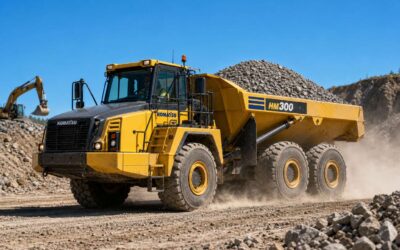
A dump truck machine is a heavy-duty hauler with a tipping bed designed to transport loose materials—soil, gravel, or rock—from excavation to dumping zones. Its purpose is brutally simple: maximize payload, minimize trips, and improve on-site safety by delivering loads where they’re needed most.
- Robust hydraulics for smooth tipping
- Rugged chassis built for rough SA terrain
- Efficient powertrain for longer shifts
Compact enough to squeeze into tight sites yet mighty enough to shift mountains, the dump truck machine remains a cornerstone of any serious earthmoving crew in the rainbow nation.
Key features that distinguish it from other heavy equipment
Across South Africa, bulk earthworks lean on a dependable heavy hauler—the dump truck machine—to move soil, gravel, and rock from cut to dump zones with minimal delays. It’s the quiet engine behind predictable progress, turning rough SA ground into daily wins. Fleet managers report that smartly scheduled trips with this machine can cut movements by up to 30%.
What sets the dump truck machine apart from other heavy gear is its balance of scale and control. It carries large payloads, tips smoothly, and shrugs off rough terrain with a robust chassis and reliable powertrain. Here are the standout features:
- Optimized payload-to-weight performance
- Robust hydraulics for smooth tipping
- Rugged drive and suspension for rough SA terrain
This is more than bulk hauling; it’s on-site logistics that keep projects moving. It blends efficiency with safety, handling tight sites and uneven surfaces while delivering material where it’s needed most.
Common use cases across industries
Across South Africa’s sprawling sites, bulk earthworks hinge on one dependable partner—the dump truck machine. On a typical project, up to 60% of material-handling time is tied to hauling, so this quiet giant is the metronome that keeps progress humming. We’ve learned to trust that rhythm when the ground sighs under heavy loads.
From open-pit mining and quarrying to site clearing and bulk backfill, the dump truck machine carries hefty payloads with poise and a stubborn regard for discipline. We’ve found the following use cases across industries to be especially telling:
- Open-pit mining and quarry operations
- Construction and earthworks on large sites
- Road-building and infrastructure projects
- waste management and recycling yards
On the ground, it tames rough terrain, maintains on-site flow, and keeps crews aligned with the plan. We respect its quiet efficiency as the unglamorous backbone of bulk logistics, turning a dusty SA afternoon into predictable progress.
Historical evolution and current trends
Across SA’s bulk sites, nearly half of every working hour is spent hauling material—the dump truck machine is the metronome that keeps progress humming. In SA, this rhythm shapes every quarry, mine, and road project.
From the steam-era wagons to modern, sturdily engineered giants, this vehicle has evolved toward resilience, fuel-smart design, and smarter load management. Its design emphasizes balance—torque, traction, and durable hydraulics—so crews can focus on grade and timing rather than console fiddling. Today, advanced telematics and rugged cabins translate terrain challenges into safer, steadier progress.
Current trends push heavy haulers toward cleaner propulsion, smarter safety, and fleet-wide visibility.
- Telematics-driven fleet optimization
- Enhanced operator comfort and safety systems
- Hybrid and electric propulsion options
Types and configurations of dump truck machines
Standard dump trucks vs transfer trucks
Across South Africa’s construction and mining sites, the dump truck machine moves material with steady reliability. A modern dump truck can move up to 40 cubic meters in a single load, a throughput that shapes project timelines and budgets. Standard dump trucks and transfer trucks offer different configurations to match soil, rock, and aggregate challenges on-site.
When choosing between standard dump trucks and transfer trucks, consider cycles, capacity, and site access.
- Standard dump trucks: single hopper, quick cycle, ideal for loose material.
- Transfer trucks: dual compartments or transfer body, better bulk handling on large sites.
In South Africa, the right configuration keeps projects moving and budgets in check.
Rigid vs articulated dump trucks
On South Africa’s toughest sites, the right dump truck machine can shave hours off a shift and save millions on the budget. A well-chosen rig moves material with quiet confidence, and that momentum translates into smoother project timelines and fewer headaches.
Rigid dump trucks ride on a solid, non-articulated frame. They offer higher payload and brisk cycles on even ground, and their simpler maintenance procedures keep downtime to a minimum.
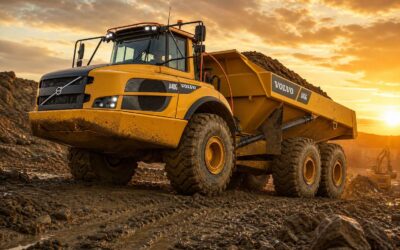
Articulated dump trucks use a pivot joint and a flexible bed, excelling where terrain is rough or uneven. They turn sharper, handle soft soils better, and keep loading cycles efficient in challenging SA quarries and open-pit mines.
- Terrain and ground conditions
- Payload requirements and cycle targets
- Maintenance access and uptime needs
Self-loading and off-highway variants
In South Africa, uptime is the bottom line. On tough sites, downtime can cost millions per week! So choosing the right dump truck machine configuration matters even more than raw power. Types and configurations break into two practical camps: self-loading variants and off-highway variants.
Two practical configurations:
- Self-loading variant: an integrated loading mechanism and hopper that can scoop material with minimal external equipment, delivering quick cycle times in constrained sites.
- Off-highway variant: a rugged platform built for extreme terrain, high payloads, and rock-solid traction in quarries and open-pit mines.
Each setup tunes loading efficiency, terrain handling, and maintenance access to the job at hand.
Specialized configurations for waste, mining, and construction
On South Africa’s demanding work sites, uptime is currency—the cost of a single downtime minute can reach millions. The right dump truck machine configuration matters far more than raw power, shaping cycle times, reliability, and total cost of ownership for waste, mining, and construction crews alike.
Specialized configurations tailor the platform to waste, mining, and construction demands.
- Waste-focused dump truck machine bodies with corrosion-resistant materials, enclosed cabins, and efficient hopper systems for quick, clean loading.
- Mining-focused rigs—rigid or articulated chassis, high payloads, and rugged traction for uneven quarries and open pits.
- Construction-focused layouts with versatile beds, quick-change interfaces, and adaptable linkage for varied materials.
Across these configurations, loading efficiency, terrain handling, and maintenance access are tuned to the job, ensuring the dump truck machine remains a steadfast ally on the horizon.
Core components and technology of dump truck machines
Chassis, suspension, and ride quality
In South Africa’s rough-and-tumble sites, the dump truck machine earns its keep as the backbone of every haul. As one veteran foreman quips, “If it’s hauling, it’s happy.” The core performance rests on three names: chassis, suspension, and ride quality.
The chassis is the skeleton—built from high-tensile steel with reinforced cross-members to survive bone-crushing loads and twisting terrain. The suspension options—air-ride, leaf springs, or coil setups—shape stability and wheel contact on uneven ground.
- Chassis design emphasizes torsional stiffness and robust framing
- Suspension options balance load handling with ride smoothness
- Ride quality benefits from dampers and adaptive systems
When the ride is dialed in, the dump truck machine shows its true colour on SA job sites, easing wear and tear and keeping crews productive, even when potholes audition like percussionists.
Dump mechanism and hydraulic systems
Across South Africa’s dusty job sites, nine in ten loads depend on a single, reliable dump truck machine. Its heartbeat is the dump mechanism paired with a calm, tireless hydraulic core that lifts with authority.
The dump mechanism uses a front-mounted hydraulic ram to elevate the bed, while steel cross-members keep the frame true as loads tilt. The hydraulic loop—pump, reservoir, lines, valves—turns engine torque into controlled dumps.
Key components and technology in rhythm:
- Dump mechanism: hydraulic ram with locking pins
- Hydraulic system: pump, reservoir, lines
- Controls and sensors: joystick, position sensors
- Diagnostics: fault codes, telematics
Together they sustain the machine on SA roads and heavy sites.
Powertrain, engine options, and performance metrics
Across South Africa’s dusty job sites, nine in ten loads hinge on a single dump truck machine. Its powertrain speaks in a steady cadence, with engine options ranging from rugged diesel workhorses to efficiency-minded units. Transmissions—manual or automatic—translate torque into smooth lifts, even on demanding grades. Performance metrics matter: torque at low RPM, cycle times, and uptime that keeps fleets moving.
- Diesel engines tuned for high torque at low RPM
- Automatic and manual transmissions for control
- Torque curves and cooling optimized for steady lifts
- Telematics for maintenance and efficiency
These core components shape performance metrics such as payload consistency and fuel economy across South Africa’s roads. The machine stands as a beacon of reliability in the roar of heavy industry.
Electronics, telemetry, and automation features
Across South Africa’s dusty sites, uptime is currency. The dump truck machine runs best when its electronics, telemetry, and automation act as a single nervous system, delivering steady lifts in the heat of day.
Core electronics and control networks coordinate every movement. Key components include:
- Rugged sensors and a CAN network for real-time data
- Onboard diagnostics with remote fault code access
- Telematics modules for vehicle health, location, and fuel use
Automation translates data into action: grade control, auto-dump sequencing, and driver-assist tech. With predictive maintenance alerts and remote software updates, the dump truck machine stays productive between service stops.
Operator safety interfaces and visibility tools
On South Africa’s dusty pits, I’ve seen a single blink alter the fate of a shift. A recent industry insight shows robust visibility tooling can cut near-misses by up to 40%. The dump truck machine becomes a sentinel, its safety interfaces and clarity of view guiding every lift through the heat and haze.
Operator safety interfaces and visibility tools keep the cab an arena of control rather than chaos. Consider:
- 360-degree camera array with high-dynamic-range displays
- Proximity sensors and blind-spot detection for errant wheel paths
- Ergonomic console, adjustable seating, and accessible emergency stop
- Dedicated warning beacons and night-vision aids for low light
These features convert data into decisive action and protect the crew while the machine performs across rough terrain.
Beyond sight, tactile feedback and maintenance-ready interfaces keep the operation trustworthy, day or night. For the dump truck machine, these safeguards translate into steady performance and safer shifts.
Performance, efficiency, and maintenance of dump truck machines
Load capacity, tipping load, and density considerations
On South Africa’s toughest sites, uptime sits at the intersection of performance and upkeep—about 95% when things click. The dump truck machine becomes a heartbeat on the project, turning massive load cycles into measurable progress. “Load, balance, release—that’s where the day finds its pace,” says a veteran operator.
Performance and efficiency hinge on matching load capacity and tipping load to the job, with density variations in rock, soil, or waste shaping the payload strategy. The balance of mass and motion determines stability and fuel use.
- Payload density and bulk factor affect how much mass sits behind every dump
- Tipping load and center of gravity influence stability during unloading
- Material density variations demand calibration of ballast and haul speeds
Maintenance keeps the machine dependable, with engine, hydraulic, and chassis working in concert. When wear is kept in check and components remain aligned, performance holds steady, and the rhythm of the worksite stays uninterrupted.
Fuel efficiency, emissions, and eco-friendly options
On South Africa’s toughest sites, fuel efficiency is a lifeline. Early adopters report up to 12% savings when eco-friendly options touch the dump truck machine. The engine’s rhythm becomes a disciplined metronome, turning heavy cycles into steady progress—and the crew feels the impact in uptime and morale.
Performance and emissions balance with smart tuning and layout choices. Consider these eco-aware levers:
- Fuel-injection calibration for cleaner burn
- Idle-time reduction and throttle optimization
- Telemetry-driven maintenance alerts
Maintenance keeps the machine dependable; engine, hydraulic, and chassis work in concert. When wear is checked and alignment stays true, performance remains steady and the worksite breathes easier.
Preventive maintenance schedules and inspection routines
In the heat of South Africa’s toughest sites, the dump truck machine keeps a patient, metronomic rhythm that turns heavy cycles into steady progress. On site, sensors glow and gauges stay true, and uptime climbs as preventive maintenance schedules and inspection routines become on-site mantras guiding every operator and technician. When these rhythms align, morale rises like a well-tuned engine song!
Here are the habits that sustain that cadence:
- Regular, scheduled inspections that catch wear before it whispers trouble
- Telemetry-driven alerts that forecast anomalies and spark timely intervention
- Steady lubrication, alignment checks, and fluid health monitoring to harmonize engine, hydraulics, and chassis
Quiet is strength as performance holds steady under the African sun.
Repair strategies, downtime reduction, and parts availability
In the heat-warped yards where the dump truck machine exerts its quiet dominion, uptime is a cathedral. Recent field metrics whisper that unplanned downtime gnaws away up to a fifth of the scheduled hours on South African projects, unless wear and fatigue are heeded before they echo through gears.
Here are repair strategies that curb downtime.
- Telemetry-driven fault forecasting to preempt failures
- Strategic spares and alternate supplier networks to cut waiting time
- Proactive lubrication, sealing, and quick-coupling kits ready on deck
When supply lines align and routine care becomes ritual, the dump truck machine performs with relentless grace, and efficiency climbs like a dawn over the Karoo. Repair strategies, downtime reduction, and robust parts availability forge a steadier march across the scrub and quarry.
Total cost of ownership and return on investment
Across South Africa’s rugged sites, uptime is king — fleets that optimize maintenance report up to 20% fewer unplanned outages and steadier productivity. The dump truck machine is more than raw power; it’s a living ecosystem of gears, sensors, and practiced care. Performance shines when care matches capability, turning heavy loads into reliable rhythms rather than delays.
Total ownership becomes a brighter ledger when maintenance is momentum. Fuel, wear, and downtime chase depreciation, yet a disciplined program shifts the balance in favor. Here are levers that boost ROI:
- Telemetry-driven fault forecasting
- Strategic spares and alternate supplier networks
- Proactive lubrication, sealing, and quick-coupling kits
With the right cadence, the dump truck machine returns more on every hour, turning mythology into measurable performance, where maintenance rituals glow like dawn over the Karoo and efficiency climbs with every cycle.

0 Comments